
AI Won't Replace Traders. It Will Replace the Part of the Job That Was Already Killing Them
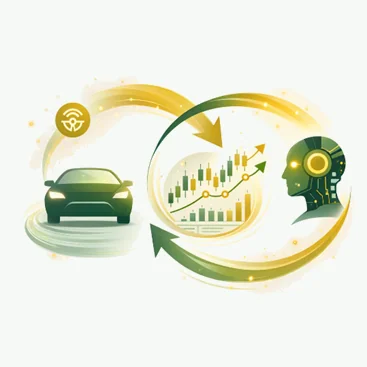
Why is autonomous driving different from autonomous trading?
I hate driving. I don’t want to deal with traffic, braking, or the temptation to shift my focus from the slow creep of the highway. Just get me where I'm going. The case for autonomous vehicles is obvious: fewer accidents, less wasted attention, millions of lives saved. The human in the loop is the liability.
Trading is the opposite. I love trading. I love forming a view, testing it against the market, being right and owning it, or even being wrong and figuring out why. And that difference between the two, why I'm excited for the advent of autonomous driving but would never give up trading, turns out to explain almost everything about how AI is actually changing markets.
But here's what the analogy gets wrong when people run it too far. Even in a fully autonomous vehicle, who is it that’s deciding the destination? There’s still a human there to coordinate on the route, now with enhanced situational awareness from real-time traffic data and road conditions they'd never have processed manually. The car handles the driving, and the human handles the direction.
That's a lot closer to what's happening in markets right now. And it's less of a revolution than it is an evolution.
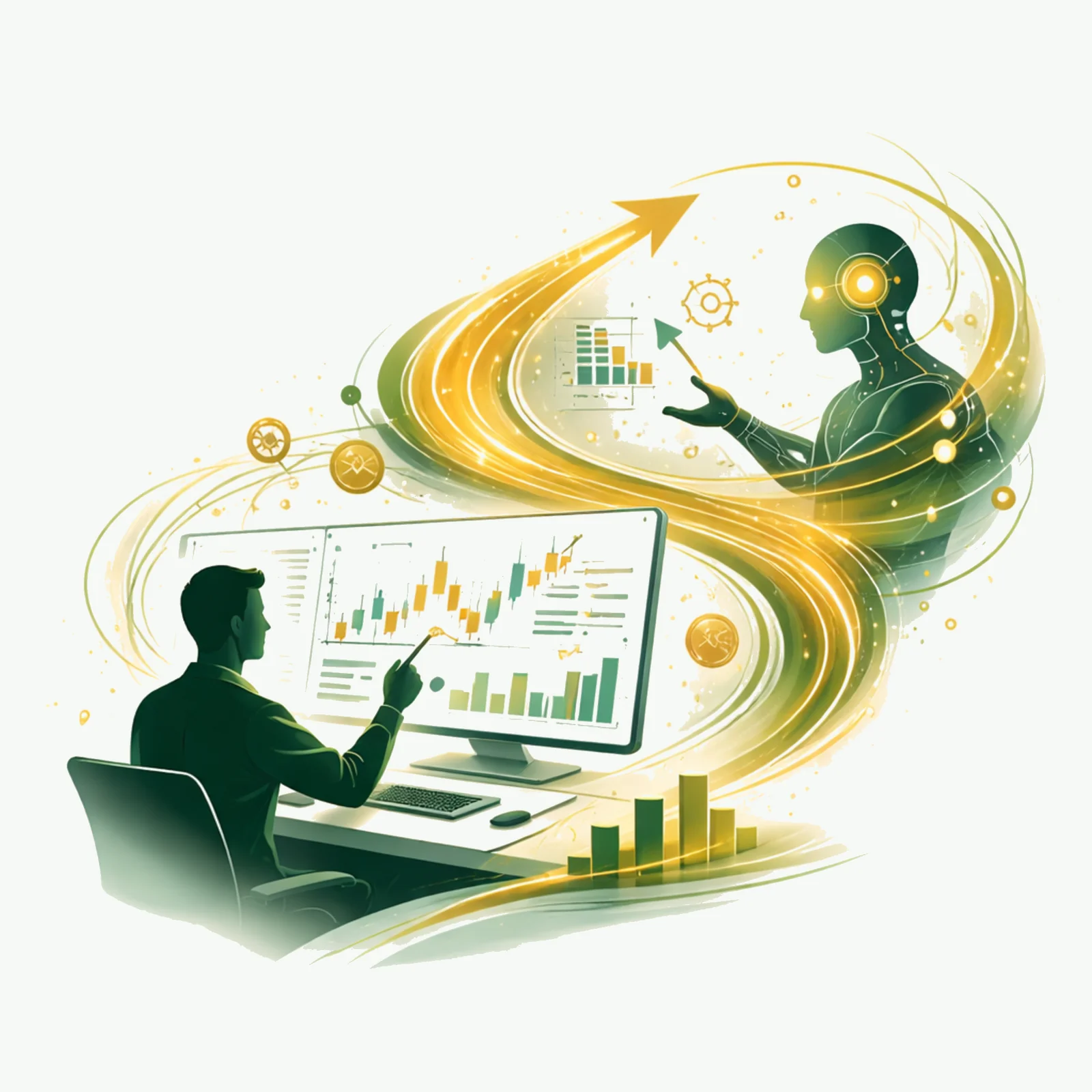
Is AI trading autonomously? Not really.
There's a version of the AI-in-markets story that goes: machines are now making all the trading decisions and humans are becoming obsolete. It's a compelling narrative, but it’s mostly a straw man.
Algorithmic trading has existed for decades. Rules-based execution strategies, systematic quant approaches, HFT infrastructure: markets have run on automation for a long time. What's changing isn't that machines are suddenly in charge. It's that the strategies now have intelligence layered on top of them. Meaning the rules can reason, the systems explain themselves, and adjustments can be made more quickly and at scale.
AI-driven funds and strategies aren't running "give me a portfolio that beats the market" as a prompt. They're encoding human-designed frameworks, proprietary datasets, and specific market theses into systems that execute those frameworks more consistently and at greater scale than humans could manage alone.
The AI augments and builds upon a human view. And because different firms use different data, different frameworks, and different theses, you still get the diversity of views that markets need to function.
Markets have always incorporated systematic, rules-based approaches to decision-making. What we're calling AI today is a more powerful version of something finance has always done.

What does the shift actually feel like from inside a trading desk?
I spent twelve years at Goldman Sachs, most recently as head of Execution Services in Taiwan. Parts of that job felt like driving a bus, with a responsibility to keep focused on the road, where vigilance rather than judgment is paramount. In pure execution oversight mode, there's a pervasive low-level anxiety. One lapse and you're explaining to a client why you sat on your hands while the stock ran against them. That crowds out the bandwidth you'd need to actually think about the trade.
There's a version of the job that's reactive by design: price moves against you, you adjust; something breaks, you respond. That's appropriate for a lot of what happens in execution. But it's a different cognitive mode than implementing a view, and when you're stuck in the reactive posture, you tend to stay there.
It’s when you *move from Oversight to Coordination that you unlock a different mode entirely.
When you say: "short positioning has been building on this name, it sold off yesterday on positive news, and this feels like a sell-the-news setup, let's spread the order across the day, go along with volumes, and push for 30% completion if it gets back above $250."*
You state the view and then you're executing it together: you own the thesis, the AI coordinates the implementation, and you see exactly what it's doing at every step.
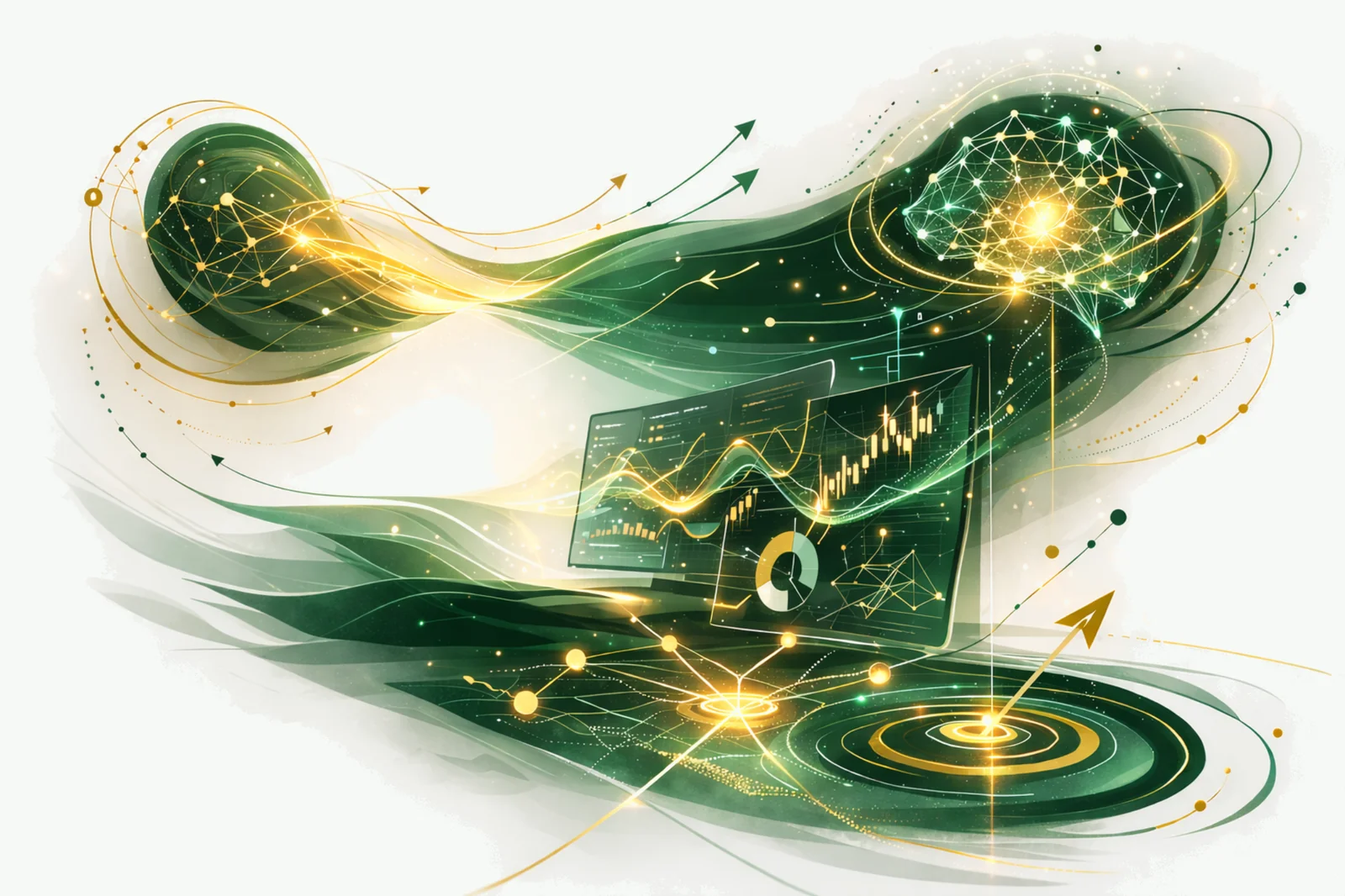
What AI actually changes about this dynamic
AI shifts the mode from reactive oversight to informed coordination, and the difference in how that feels is significant.
Augmented by AI watching the indicators, the trader’s question changes. Instead of waiting for the moment something goes wrong, you're deciding what to do next: is this the situation I intervene? What does the data say, where does my experience suggest the AI might be missing something? Amplified vigilance frees up the trader’s bandwidth to focus on judgement rather than reaction.
The informational layer is the obvious part: AI connecting dots across data at a speed and scale no single person can match, surfacing context that would take an analyst hours to assemble.
But the more interesting shift is in how that information gets delivered. The next generation of execution interfaces will show their work in real time: not just a recommendation but the reasoning behind it, the data that supports it, where the thesis would break. Visualizations that feed into the trader's existing muscle memory rather than replacing it. Screens that feel familiar, with more intelligence underneath them.
Traders who use these tools well won't become passengers. They'll become better at the part of the job that still requires a human: forming a view, stress-testing it against live data, and acting with conviction.
I've written separatelyabout how this same dynamic applies beyond markets: encoding your own frameworks and decision patterns into AI so it sharpens your thinking rather than substituting for it. The same principle holds on the desk.

Where the edge actually lives
At sophisticated shops with large amounts of flow, the 80/20 rule is already in effect, with most orders in electronic markets handled by rules-based automation, enhanced by machine learning for best execution. The parameters are set intentionally, the machines execute against them more consistently than any human could, and the outcomes are better for it. This is automation with transparency.
Black box algos are something different. With a liquidity-seeking algo in a thinly traded name, you know the outcome you want but have no real visibility into how it gets there. You accept that it finds liquidity and manages impact better than you could, and you let it run. That works, and for certain kinds of execution it's still the right tool.
The limitation is that black boxes end the conversation. When something unexpected happens in the market, you can only watch.
That's where the real evolution in execution is happening. Algos that show you what they're thinking: recommendations with reasoning attached, data on why, visibility into where the thesis would break. An execution partner you can actually have a conversation with. When the algo can explain what it's seeing, you can stop staring at the road and start thinking about the destination.
The conversation between human and algo has started. What it grows into from here is the interesting question.
If this resonates with how you're thinking about AI on the desk, I'd like to hear from you. jkoenig@komcp.com
This article was also posted separately on LinkedIn: https://www.linkedin.com/pulse/ai-wont-replace-traders-part-job-already-killing-them-jacob-koenig-mc2oe/?trackingId=YF4VC4y7f4Gs18mX5mdXIg%3D%3D